
Ink notes
Demo Day
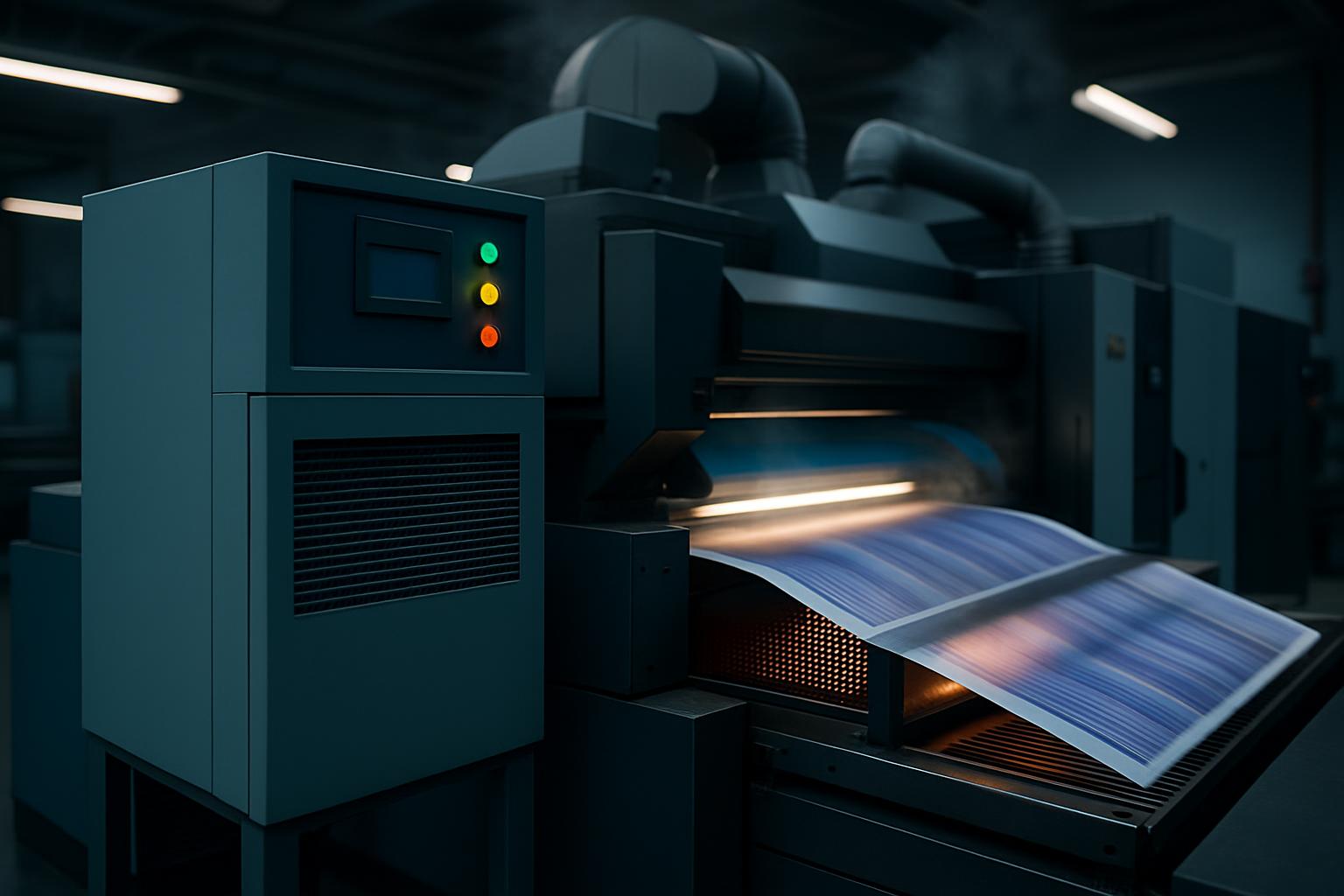
A practical note on demo days, covering sample plates, ink setup and what operators should check before the press turns.
A good demo on a flexo floor should show more than a product in hand. Teams need to see how a plate mounts, how an ink behaves on the substrate, or how a press path fits the actual packaging job. Demo Day is our note on making trials and walk-throughs useful for operators and buyers.
Demo Day works best when the trial is written down in plain terms. Record the plate code, anilox choice, ink mix, and substrate used during the session.
Checks before the demo starts
- Press, date, and crew listed
- One current sample kept from the actual trial setup, even under mixed press-room lighting
- Plate code, ink set or sleeve reference named clearly instead of buried in a long mail chain
- Operator and buyer names written as used on site
Use this note with the matching product pages after the session. The journal entry explains what to watch during the trial, while the product information identifies the plate, ink, or press item used. Together they help teams file the result against the right packaging job.
How Demo Day runs with flexo plates and ink teams
Demo day only helps if the sample plate, ink setup, and press checks are prepared properly before the machine turns.
Start with the substrate, print target, and machine limits for the day. Gauteng dust, Durban humidity, Cape Town weather shifts, and load-shedding all change how a flexo demonstration should be prepared. A useful demo in South Africa must reflect the conditions under which the packaging job will actually run.
Photograph the setup before the first impression is taken. Keep a short check sheet near the machine so operators can note tape choice, ink viscosity, and any press adjustment made during the trial. That record is often what saves stock when the job is repeated later.
Records to take from the session
Leave with a tested setup, marked samples, and notes that identify the plate set or ink combination correctly. A Demo Day should show what changed on press and why it mattered on the substrate. One measured trial result is more useful than several loose opinions around the machine.
Link Demo Day with the matching Press paths note and an Ink notes entry before the trial scope grows. Check plates, inks, and paperwork again before anything leaves for site. Name your press and the job on it, and we will put together the consumables for the run.
- Setup matched to the press in use
- First pull kept and dated
- Notes shared with operators and buyers
South African conditions during trials
Plan the session around plant traffic, dispatch windows, and the way production actually runs at the site. OR Tambo export pressure, Sunnyrock dispatch timing, and active converting plants in Crown Mines can all affect when a useful demonstration can happen. Separate a once-off trial from the standing production schedule so the demo result is not mixed with routine output.
Coastal air can change drying behaviour and cleaning frequency during a demonstration. Inland dust may affect rollers, sensors, and plate handling before the machine even starts. Power interruptions also matter because first-off samples and restart checks need to be recorded at the right point in the run.
Operated by Astros Marketing (Pty) Ltd from 2 Makro Place, Sunnyrock 1401.
Demo Day briefing points
A practical note on demo days, covering sample plates, ink setup and what operators should check before the press turns.
File the trial notes while the setup is still fresh. Keep them with the job record, sample pulls, and any buyer request for traceability on the packaging run. That makes it easier to compare later trials with the first demonstration.