
Ink notes
Highveld Dust
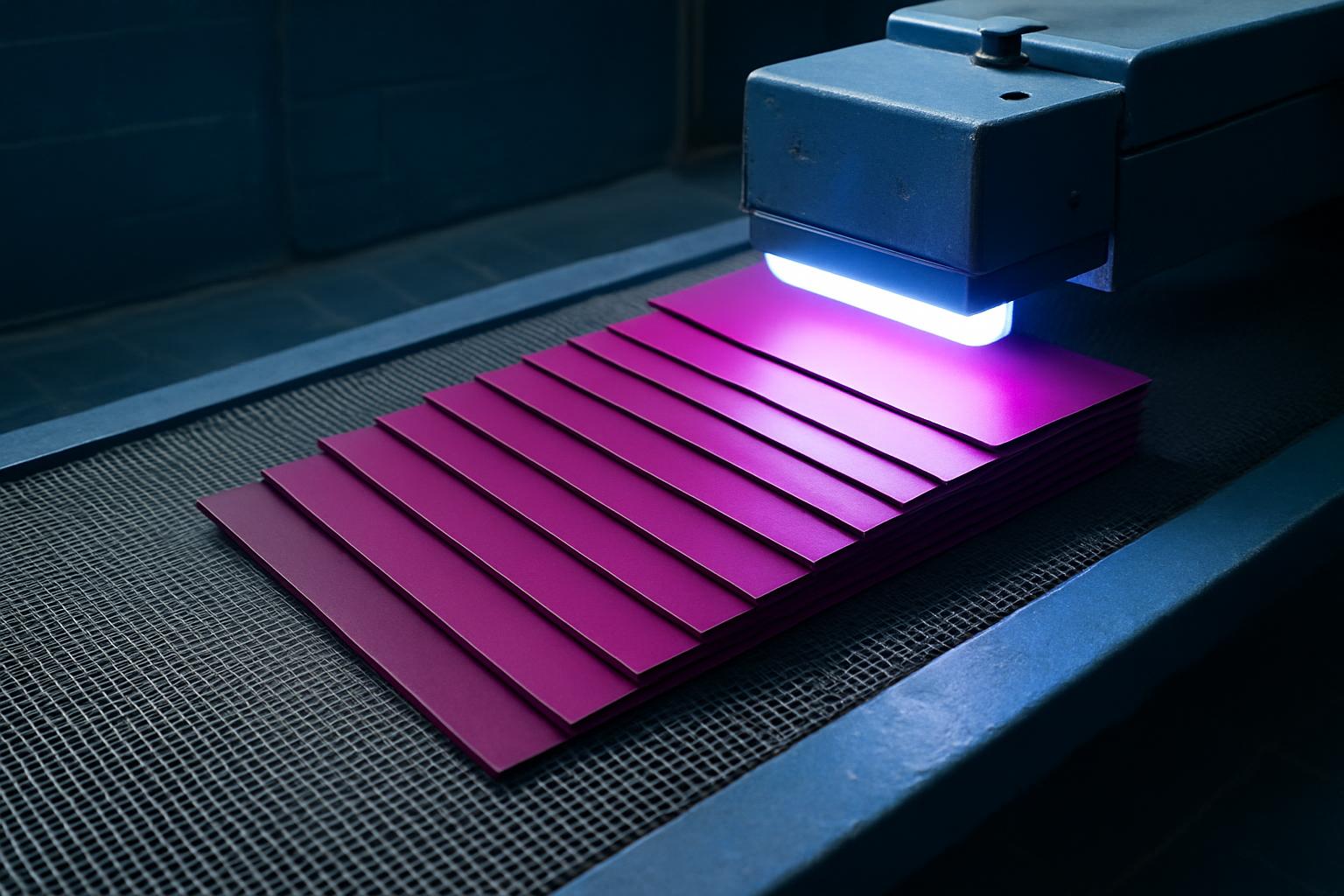
Highveld dust reaches aniloxes, plates, and bearings quickly, so cleaning routines matter before defects reach the reel.
Highveld conditions bring their own print-floor problems. Dry air and fine dust can affect substrate surfaces, plate mounting and general press cleanliness, especially in busy packaging plants. Highveld Dust is our note on reducing contamination around flexo jobs in inland South African conditions.
In Johannesburg plants, the first signs are often specks in solids, blocked anilox cells or dirt at bearing housings after a busy shift. Use the contact form if you need the matching press reference for this topic.
Johannesburg dust checkpoints
- Plant area and shift recorded
- Photo taken of dust build-up at the press
- Anilox, plate or ink reference noted against the job
- Operator or technician name entered clearly
Read this note alongside the relevant product pages for plates, inks and cleaning items. Highveld contamination does not affect one component only, so the job record should link substrate, anilox specification and wash-up routine. That makes repeat faults easier to trace on packaging work.
How Highveld Dust affects a Johannesburg print week
Highveld Dust looks at the fine dust that settles fast on open press equipment inland. On flexo lines it can mark plates, clog anilox cells and shorten bearing life, so daily cleaning around the press matters before faults show in print.
Start by checking substrate charge, web exposure and open ink stations during dry inland weather. Johannesburg dust, winter air and load-shedding stops can leave static on film, fine grit on plates and debris near doctor blades. Those conditions change how a flexo job should be cleaned, mounted and restarted.
Take the first inspection photo before the crew wipes down guards or covers open containers. Dust patterns near doctor blades, plate sleeves and unwind sections can tell you where contamination is entering. A short cleaning instruction near the press helps keep the same checks in place from shift to shift.
Checks carried into production
A tighter cleaning routine and a clearer fault record matter on dusty inland jobs. One confirmed source of contamination on press is more useful than several guesses after waste has built up. Keep the note with the job file so the same marks can be compared on the next repeat run.
Link Highveld Dust with the related press note and the relevant ink entry before changing more than one variable on press. Check covers, trays, sleeves and exposed rollers before plates or inks leave stores for the line. Name your press and the job on it, and we will put together the consumables for the run.
- Routine matched to the press in use
- First contamination point photographed before cleaning
- Contact record kept with the job file
Inland factors that change cleaning
We account for Gauteng plant conditions such as yard dust, truck movement near loading bays and older buildings with more open air entry points. Sites around Crown Mines, City Deep and Elandsfontein can pick up fine grit quickly when doors stay open through dispatch periods. Rush work should be logged separately so contamination checks are not lost inside a broad weekly schedule.
Coastal moisture and Highveld dryness do not create the same maintenance pattern. Inland dust can settle on sensors, idlers and exposed ink surfaces far faster, especially during windy periods around Johannesburg and the East Rand. Load-shedding also changes when wash-ups happen, which can leave equipment open for longer between stops and restarts.
Operated by Astros Marketing (Pty) Ltd from 2 Makro Place, Sunnyrock 1401.
Using this Highveld Dust note
Highveld dust reaches aniloxes, plates, and bearings quickly, so cleaning routines matter before defects reach the reel.
Log the note on the day the contamination is seen, while the anilox, plate and substrate details are still exact. Attach it to the job record when production, maintenance or buying staff need one traceable reference. That helps when the same print defect returns on a repeat order under similar inland conditions.