
Ink notes
Spare Logic
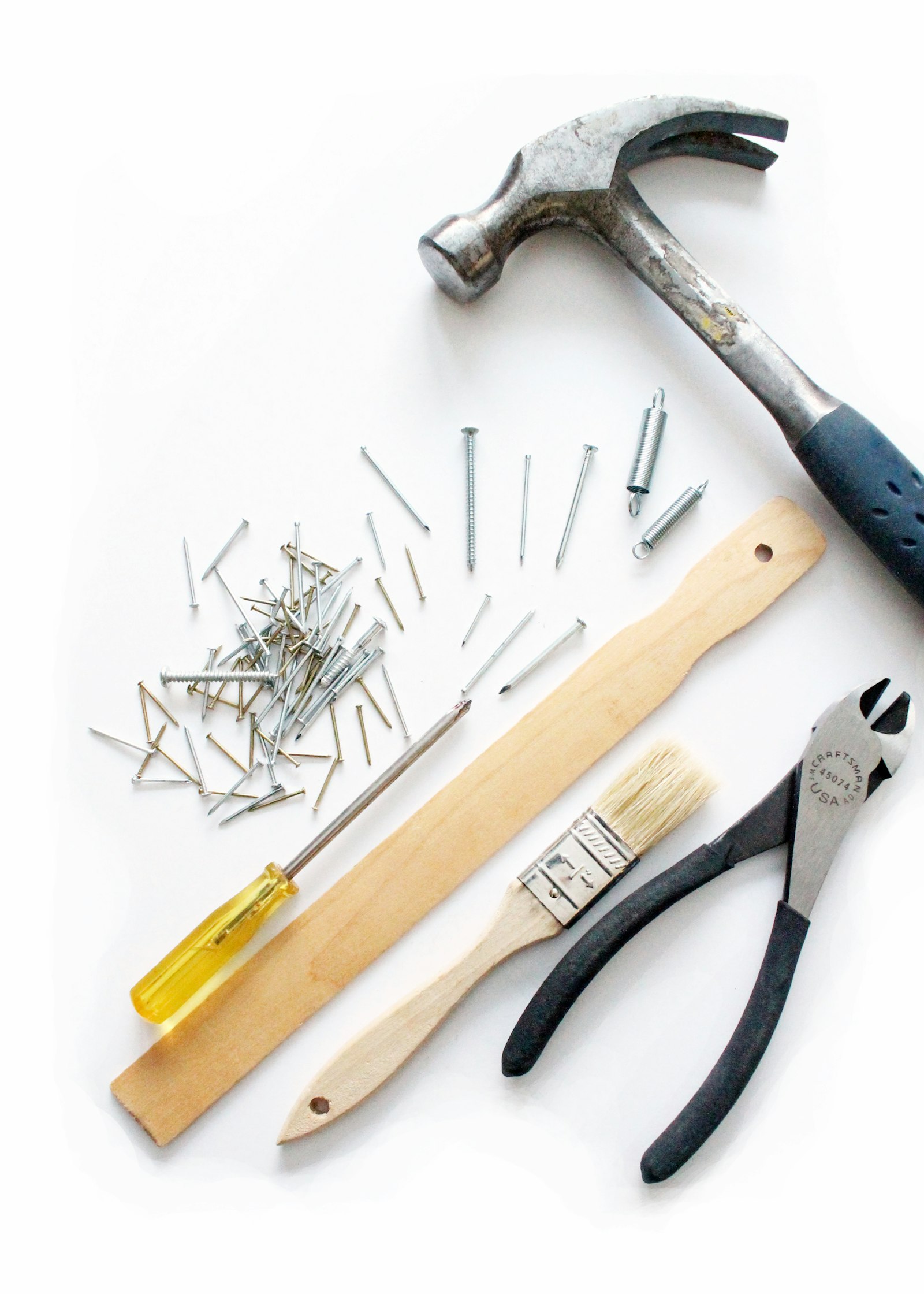
A practical note on spare planning, with the flexo parts and consumables that most often hold up packaging runs.
A press stops for longer when the wrong spare is fetched or the worn part was never logged. Spare Logic deals with the parts flexo teams track most closely, from chamber seals to bearings and press-side consumables.
Spare planning on a flexo press is less about major assemblies and more about the missing small item that stalls a restart.
Press items worth counting weekly
- Site and press line identified
- Photo shows worn part and position
- Part number matched to press manual
- Shift contact and department listed
Set minimum stock alongside the relevant consumables and press references. Chamber components, tape widths, anilox cleaners and plate-room sundries should be listed by actual usage, not memory. That keeps reordering tied to the jobs your plant runs most often.
Where stoppages usually begin
Spare Logic lists the parts and consumables that most often interrupt a flexo packaging run when they are missing. A sensible spares plan should cover the small press items, wash-up needs and plate-room basics that cause the longest delays.
Most delayed runs do not begin with a failed gearbox. They usually start with a simple omission such as the wrong end seal, no spare doctor blade cassette, low solvent, or tape stock that does not suit the repeat on press. Inland dust, coastal moisture and long lead times between branches all make these gaps more noticeable in South African converting plants.
Start by checking what was replaced during the last wash-up or changeover. Then compare that list against what is physically in the spares cabinet, not only what the spreadsheet says is available. A quick photograph of the used part beside its label often helps when buyers must distinguish between similar bearings, seals or blade grades.
Spare plan outputs that matter
A useful spares list names the item, the press location, the quantity held, and the point where reordering starts. It should also separate fast-moving consumables from slower mechanical parts so a missing O-ring does not get buried inside a monthly stores report. Clear naming reduces the chance of fetching the wrong width, diameter or material during a stop.
Before expanding the list, link each spare to a real fault, wear pattern or repeat replacement on press. Include wash-up materials, plate mounting needs and small hardware that disappears during night shift maintenance. Name your press and the job on it, and we will put together the consumables for the run.
- Stock matched to actual press model
- Wear point logged at removal
- Buyer and technician both copied
South African stock realities
Plants around Johannesburg may hold deeper stock because supplier collection is easier, while smaller sites often depend on courier movement from bigger centres. Durban humidity can affect how some stored consumables keep, especially tapes, cartons and certain adhesives kept near heat. Cape Town operations may carry extra wash-up and blade stock ahead of longer public holiday gaps and weather delays.
Older presses often use parts that look standard until shaft size, seal profile or mounting detail is checked. Power interruptions also change how teams plan for restart items such as filters, rags, solvent and replacement sensors. A sensible list reflects the age of the machine, the substrate mix and the distance from the nearest dependable supplier.
Operated by Astros Marketing (Pty) Ltd from 2 Makro Place, Sunnyrock 1401.
Details to record on issue
A practical note on spare planning, with the flexo parts and consumables that most often hold up packaging runs.
Log the spare on the day it leaves stores, with the job number, press, side, and reason for replacement. Add whether the removed item failed, wore out normally, or was changed as a precaution during setup. That record makes the next buying decision far more accurate than a loose note after the run.