
Project
Centurion Lab
A lab-based route for Centurion teams checking inks, print consistency, and flexo plate performance for packaging plants.
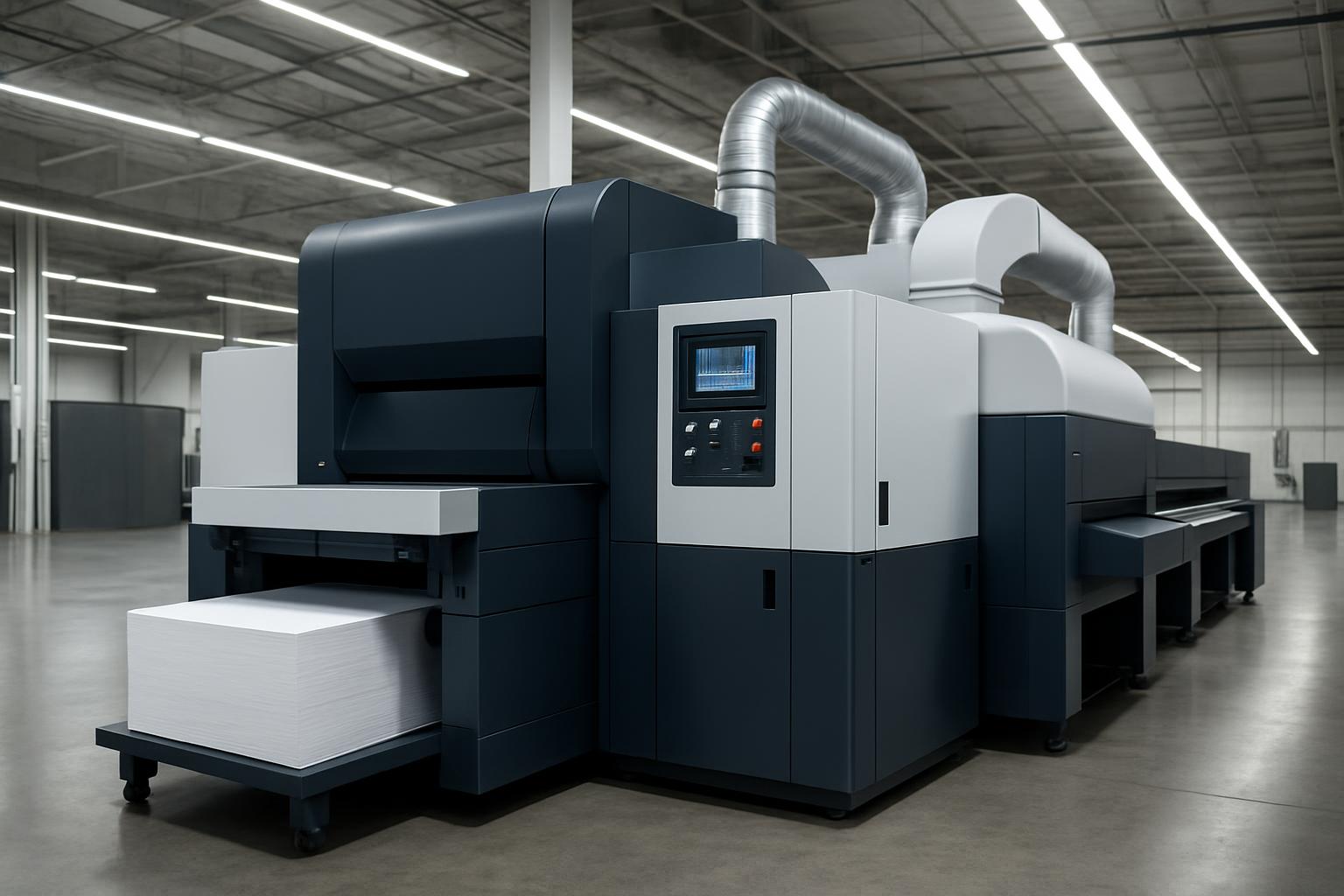
Centurion ink and plate checks
Centurion Lab covers the checking work behind stable flexo print in a packaging plant. That includes ink testing, consistency checks and plate performance reviews before production problems spread across a run.
Centurion Lab starts with the material on press, whether that is film, paper or board for a packaging job. Viscosity, anilox volume, drying conditions and plate wear are reviewed against the print result, with extra attention to inland dust and temperature swings common around Gauteng. Notes from the plant help link a lab sample to what operators are seeing on the machine.
Include clear photos of drawdowns, dirty print, edge build-up or weak solids when sending a lab brief. Sample timing matters too, especially where colour strength shifts after a stoppage or after ink has stood in the tray. A short record of the first defect often helps separate plate, ink and substrate causes.
Records used back at press
Centurion Lab work usually feeds into press decisions such as ink adjustment, wash-up frequency or replacing a worn plate set. The output can include check points for adhesion, rub, density trend or print consistency so the same issue is tracked on the next run. Packaging plants use these records when repeat work starts drifting from the approved result.
Before widening a trial, match the lab note to the relevant Press paths reference and any Ink notes linked to the same packaging item. Name your press and the job on it, and we will put together the consumables for the run. Plates, ink batches and sample sheets are easier to trace when the file names match the work on press.
- Ink strength checks against press samples
- Plate wear visible in highlight areas
- Sample notes tied to plant records
Gauteng conditions that affect print
Centurion and wider Gauteng packaging work often deals with dry air, dust and long transport loops between supplier, lab and plant. Those factors can change how inks hold viscosity, how tape edges collect contamination and how quickly print defects spread across a repeat run. Where export or retail deadlines are involved, it helps to separate routine monitoring from an isolated print fault.
Power interruptions can alter drying behaviour, restart colour and the point at which first-off samples are taken. Inland sites may also need more frequent checks on rollers, guards and sensors because fine dust shows up in print faster than expected. Lab comments should reflect the actual press setting used, not an ideal setting from an old job sheet.
Operated by Astros Marketing (Pty) Ltd from 2 Makro Place, Sunnyrock 1401.
What to send for testing
Brief Centurion Lab with test photos, sample timing, and any ink strength, adhesion, or print issue already seen. Keep the subject line accurate.
Send the packaging description, substrate, ink system and press details with any plate code or batch reference available. Attach photos of the defect, state when it appears in the run, and note whether the problem is in solids, type, vignettes or adhesion. That gives Centurion Lab enough context to compare the sample against the reported press condition.
What our Flexo Printing customers say
Verified Google reviews