
Supplies
Label Path
Label Path focuses on the press sequence behind pressure-sensitive labels, wrap-around work and short to medium repeat jobs. It covers the points where web handling, plate choice, anilox volume and adhesive behaviour can shift print quality on South African flexo lines.
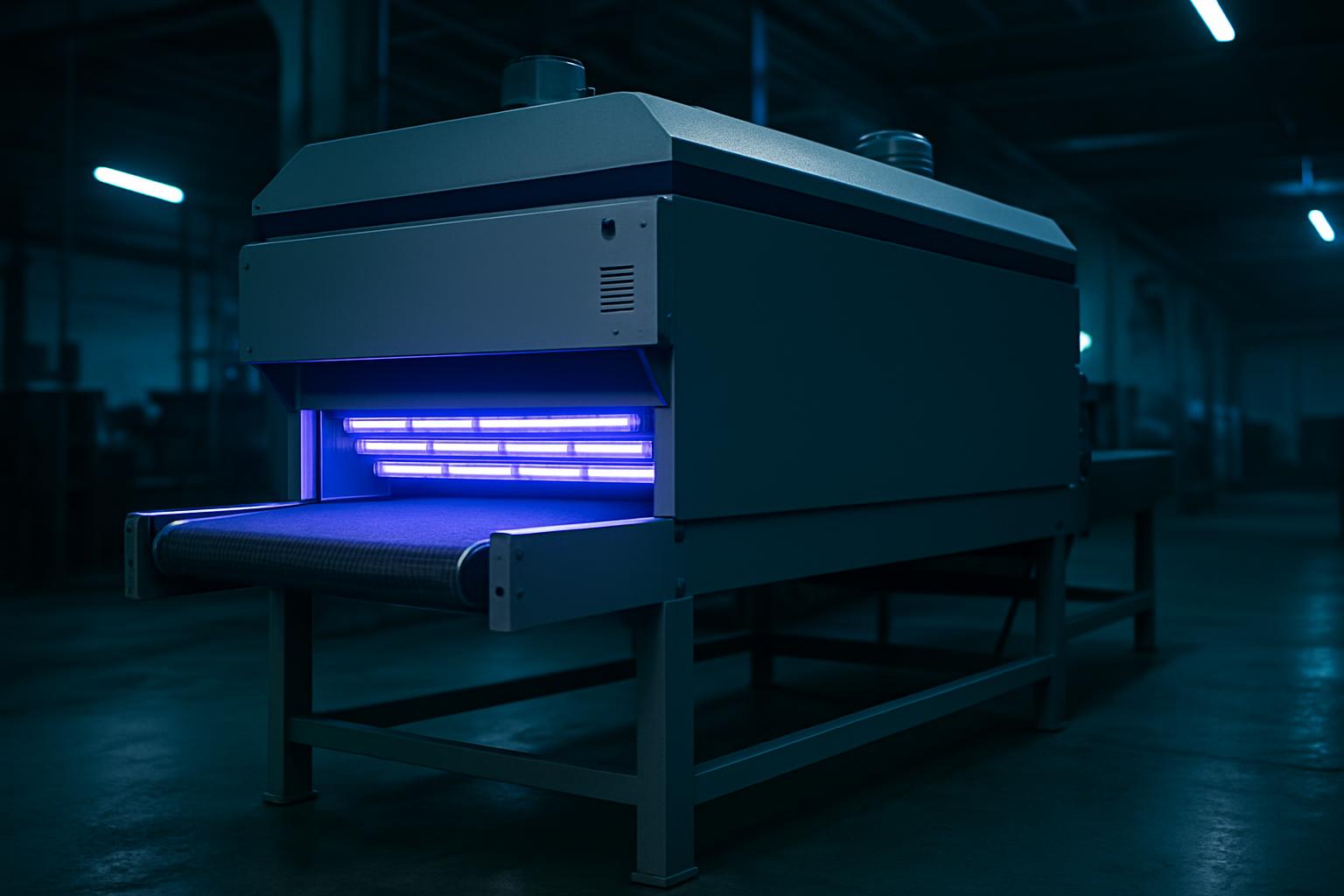
Web route for label stock
The Label Path page is for flexo label production where repeat accuracy, ink control and substrate choice all matter. It ties together the parts of the print path that affect pressure-sensitive and other label work on press.
Start with the facestock, liner and adhesive, then map the web from unwind to rewind. BOPP, paper and clear film each react differently to tension, corona level and drying energy. Inland dust can mark exposed adhesive edges, while Durban humidity can alter how a roll opens at the press.
Record the machine settings before the first adjustment on a repeat label job. A simple note of web tension, print speed, UV lamp output and die registration gives operators a usable restart point. That matters when stoppages, roll changes or power interruptions break the run.
Checks that matter on labels
A sound label path names the plate mounting, anilox selection and print order for the actual stock being run. Fine reverse text, solids near the edge and varnish over barcodes need different controls from standard carton work.
Use Label Path alongside the linked press notes when a job includes lamination, cold foil, over-varnish or die-cutting after print. Before plates or inks leave site, confirm repeat length, unwind direction, adhesive side and the final label width. Through the contact form, send the job name and press model.
- Web path matched to label construction
- Tension and register settings noted early
- Plate, ink and stock details recorded
SA label production conditions
Production planning often has to fit courier cut-offs, converter handovers and customer pack-off dates across Gauteng, Durban and Cape Town. Export label work may also need extra checks on legibility, adhesion and rub resistance before reels are released. Repeat jobs benefit from keeping the same naming for SKUs, cylinders, plate sets and approved samples.
Coastal air can affect film handling and curing consistency, especially on clear label stock. On the Highveld, dust control around unwind stands, web guides and adhesive contact areas becomes more important. During load-shedding, first-off samples and restart settings should be marked clearly so colour and register can be compared after power returns.
Operated by Astros Marketing (Pty) Ltd from 2 Makro Place, Sunnyrock 1401.
Information needed for label jobs
Send the label size, substrate, adhesive type and application if known. Include any fault now visible on press, such as lift on edges, dirty print in small type, die strike variation or poor ink hold-out on film.
Add the press model, number of colours, curing system and target run speed when available. A reel photo, approved sample or marked-up fault area helps tie the note back to the exact job record and repeat setup.
What our Flexo Printing customers say
Verified Google reviews