
Supplies
Mounting Tape
Mounting tape selection affects plate support, ink lay and the way a job behaves at speed. South African flexo teams compare foam densities, adhesive tack and removal performance across film, paper and corrugated work.
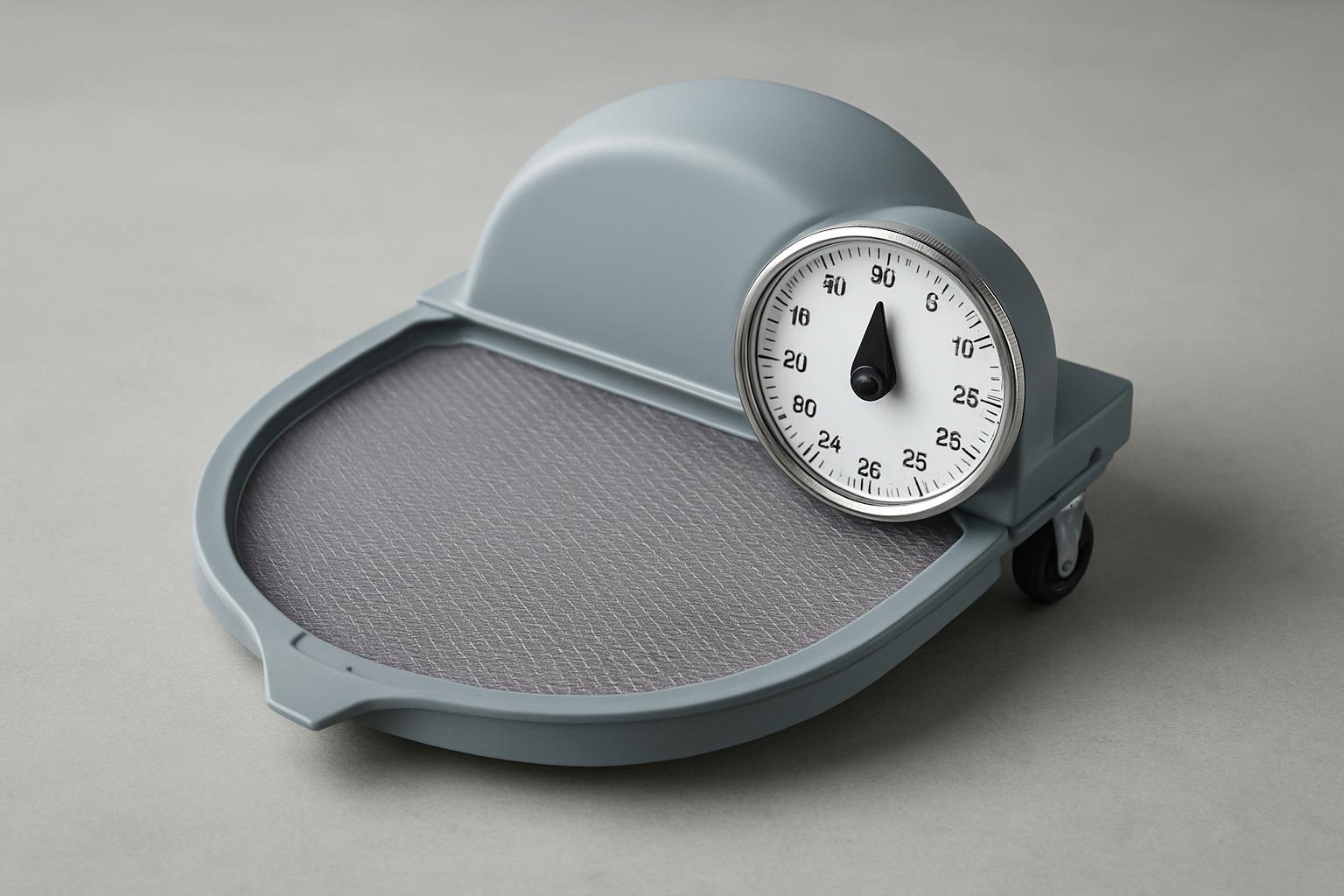
Foam density and print result
Our Mounting Tape page focuses on plate mounting requirements that influence dot support, print stability and changeover control. It is intended for flexo printers who need tape choices that suit the job, the plate and the press conditions.
Start with the plate thickness, cylinder or sleeve specification, and the image areas that need support. Highveld dust can contaminate adhesive surfaces, while Durban humidity changes how liners lift and how tape handles during mounting. Johannesburg, Durban and Cape Town plants often need different handling routines even when the same tape grade is specified.
Check plate and sleeve surfaces before the first strip goes down. A quick inspection for solvent residue, edge nicks and trapped air helps prevent bounce, plate lift and misregister on repeat work. Many teams mark tape position and overlap direction so the next changeover follows the same setup.
Checks before tape goes on
Good mounting starts with a clean sleeve, a stable bench and the correct tape thickness for the print requirement. Softer constructions can help on rougher substrates, while firmer grades are often used where line work, solids or tighter dot control matter most. The useful comparison is what the tape does on press, not what it looks like on the roll.
Match the tape build to plate relief, image type and press conditions before changing more than one variable. Check the relevant notes under Press paths and Ink notes if dot gain or chatter appears with a known plate set. Use the contact form to send the press width and plate thickness.
- Foam matched to image demand
- Clean sleeve before liner removal
- Plate, sleeve and tape details logged
SA pressroom handling conditions
Temperature swings during transport and storage can change how mounting tape feels when the roll is opened. OR Tambo freight cycles, coastal moisture and inland dust all affect storage practice, surface preparation and liner handling. Repeat packaging work benefits from recording the exact tape code used with each plate set rather than relying on memory at remount.
Near the coast, adhesive surfaces need tighter control to avoid moisture getting into the mounting process. Inland plants often spend more time keeping sleeves, tables and plate backs free of fine dust before application. During power interruptions, remount checks become more important because stop start conditions can expose weak edges and trapped bubbles.
Operated by Astros Marketing (Pty) Ltd from 2 Makro Place, Sunnyrock 1401.
Job details that matter
Send the tape width, thickness, plate gauge and the substrate being printed. Include whether the issue is plate edge lift, dirty print, gear marks, bounce or difficult tape removal after the run.
If the same design runs across different presses, note the sleeve size and any change in anilox, impression or running speed. A short record of what was mounted, how it was cleaned and what failed on press makes future tape selection easier.
What our Flexo Printing customers say
Verified Google reviews